
Choosing the Right Spline Cutting Method

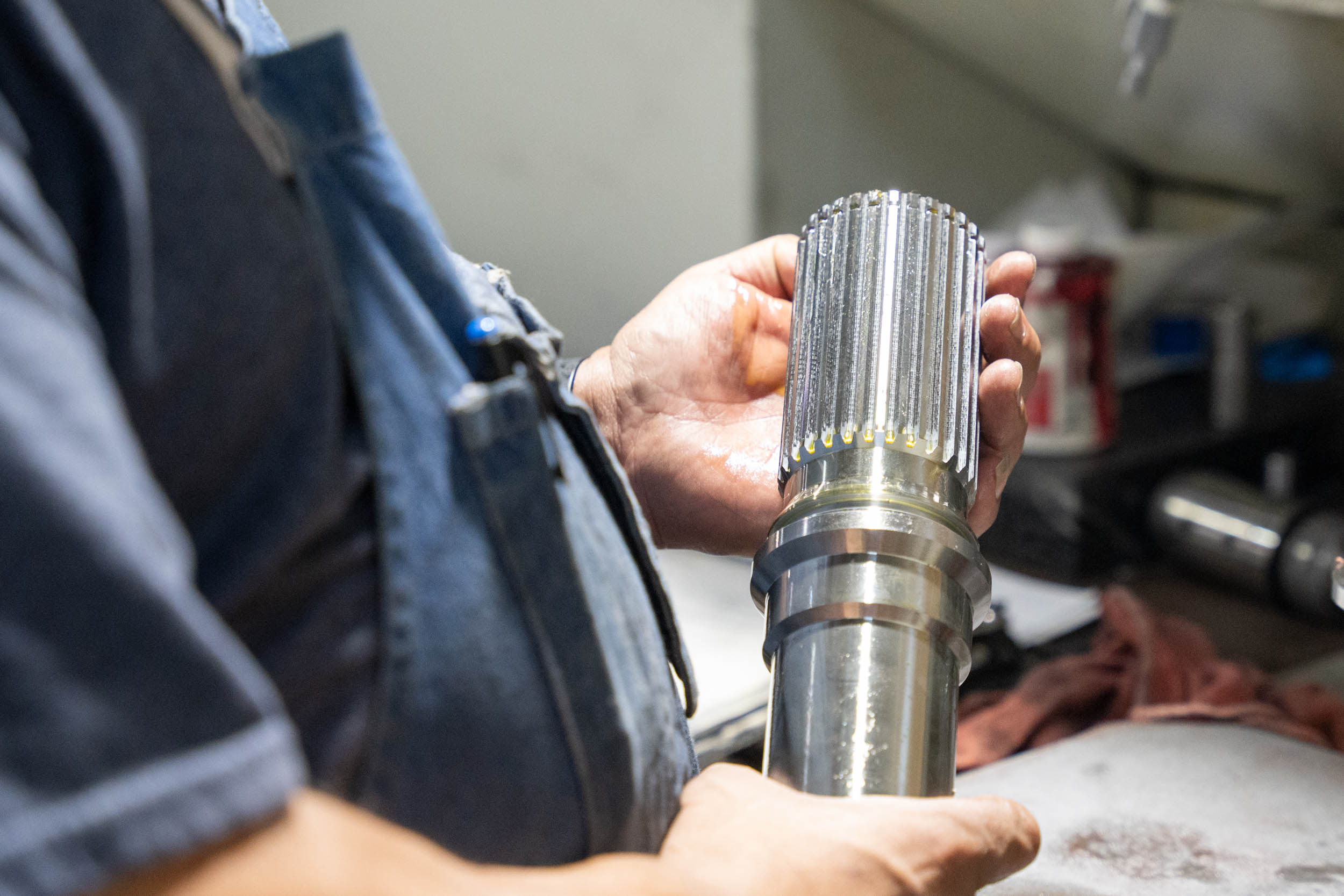
Splines look simple, but the right cutting method depends on part geometry, volume, and clearance. Here's how to think it through.
If you've spent any time around shafts or gearboxes, you've run into a spline even if nobody called it that. They're everywhere in power transmission, and most of the time nobody thinks twice about them. The moment you have to cut one, you find out there are several ways to do it, and picking the right one depends on the part in front of you. Consider this the Gear School version: what each method does well, and where it falls short.
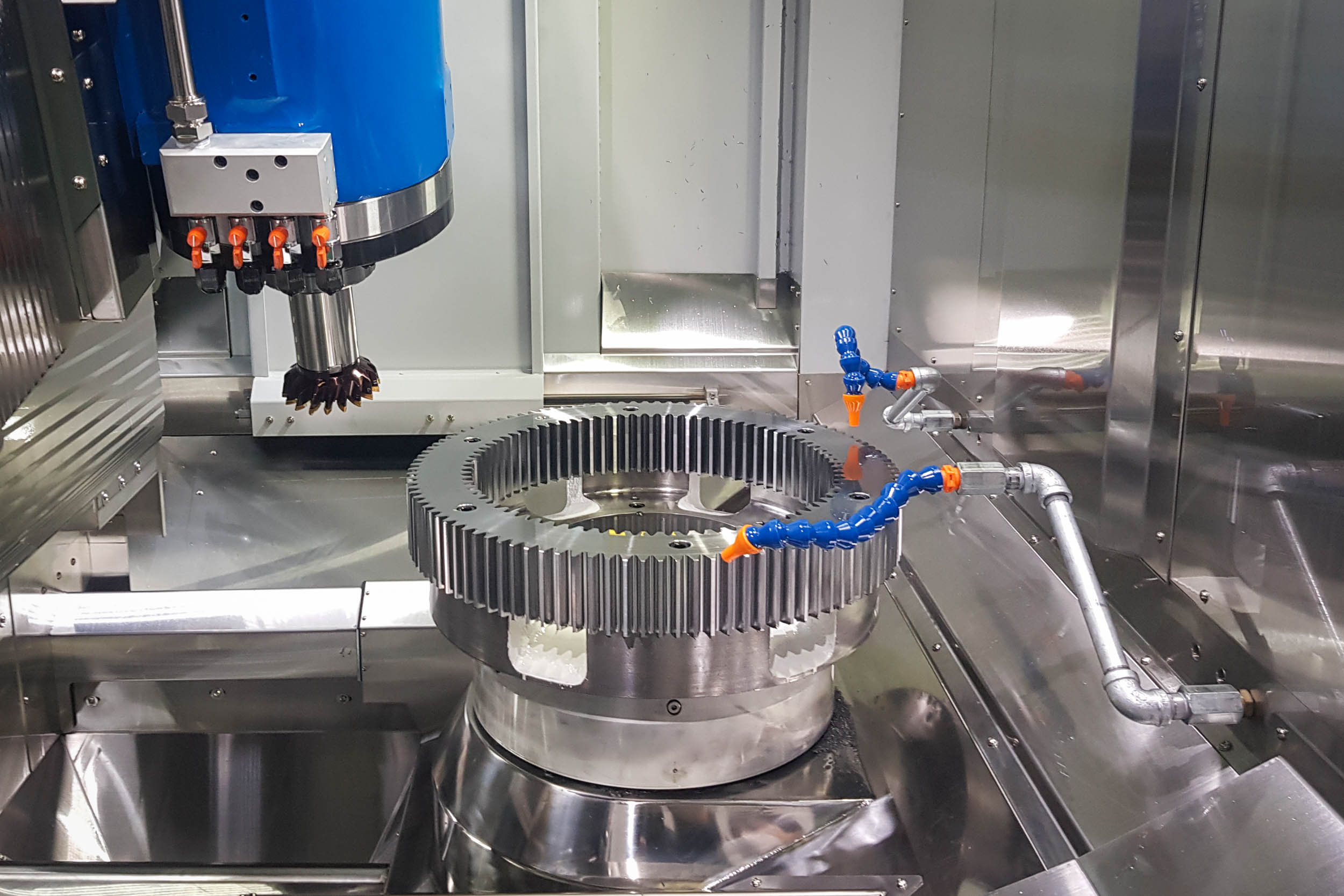
Most external splines are cut by hobbing, the best balance of productivity and flexibility. Shaping steps in when clearance is tight, or part geometry gets in the way. Internal splines are cut by shaping, form-milling, power skiving, or broaching, with broaching the go-to for high-volume straight-tooth splines.
What is a spline, actually?
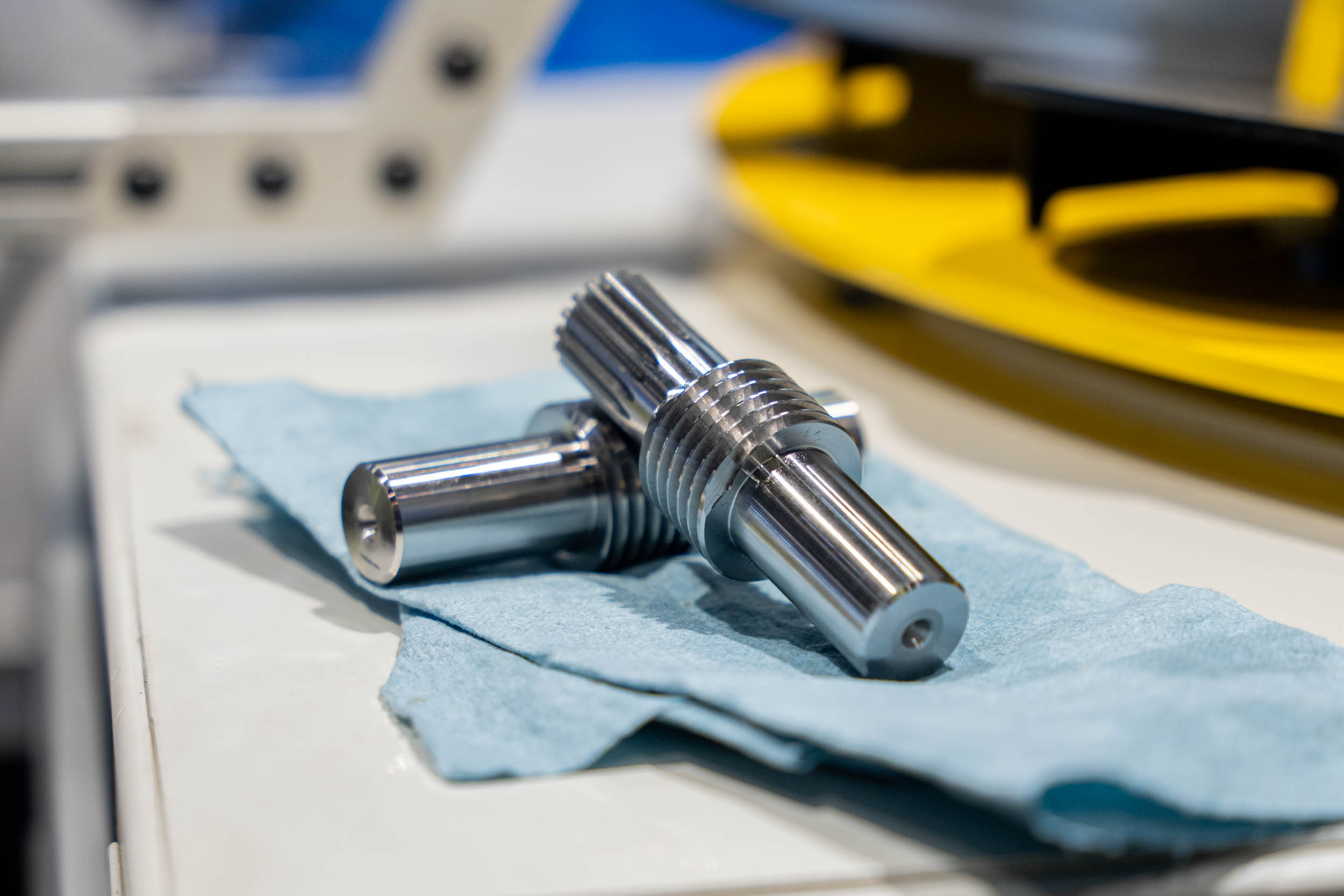
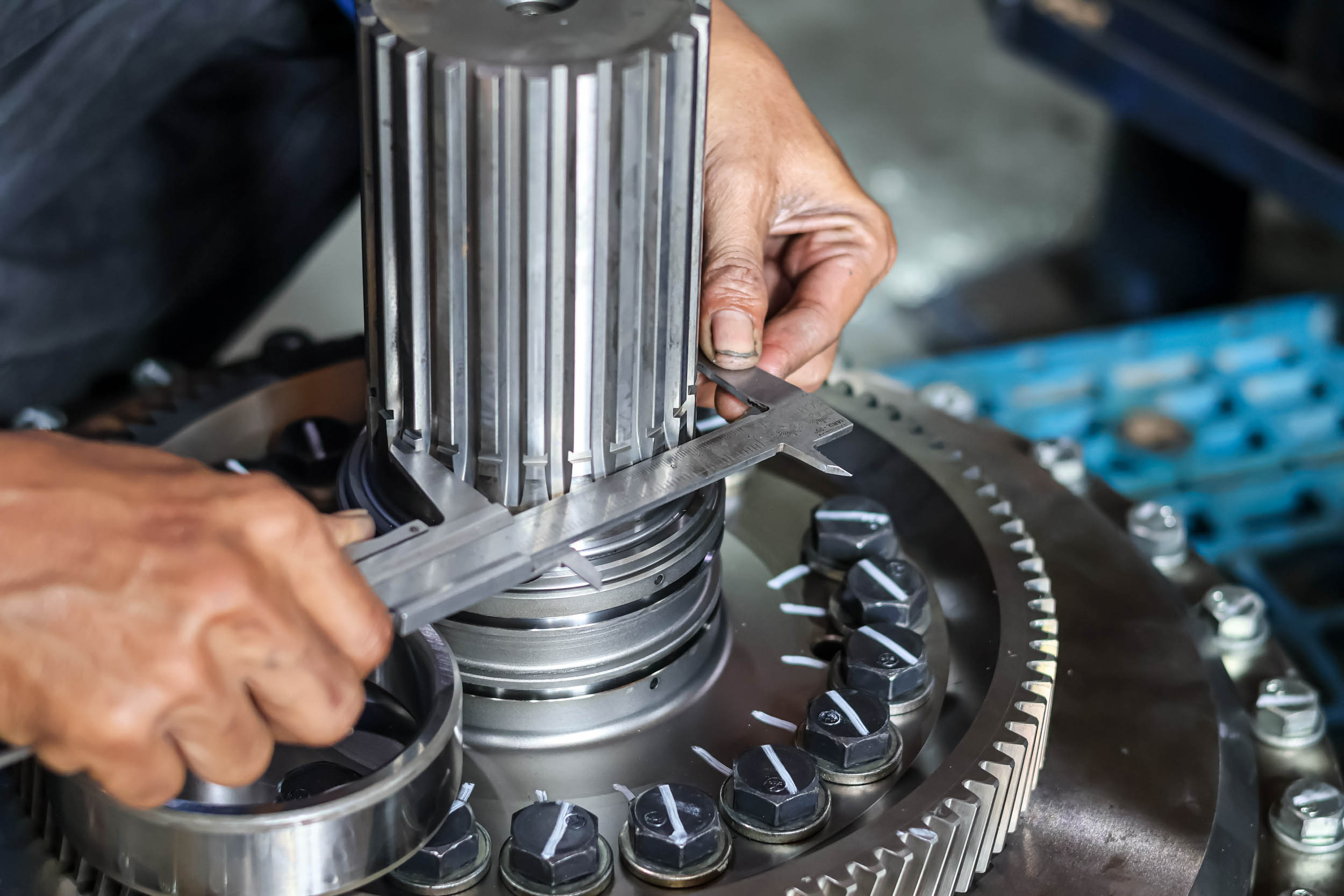
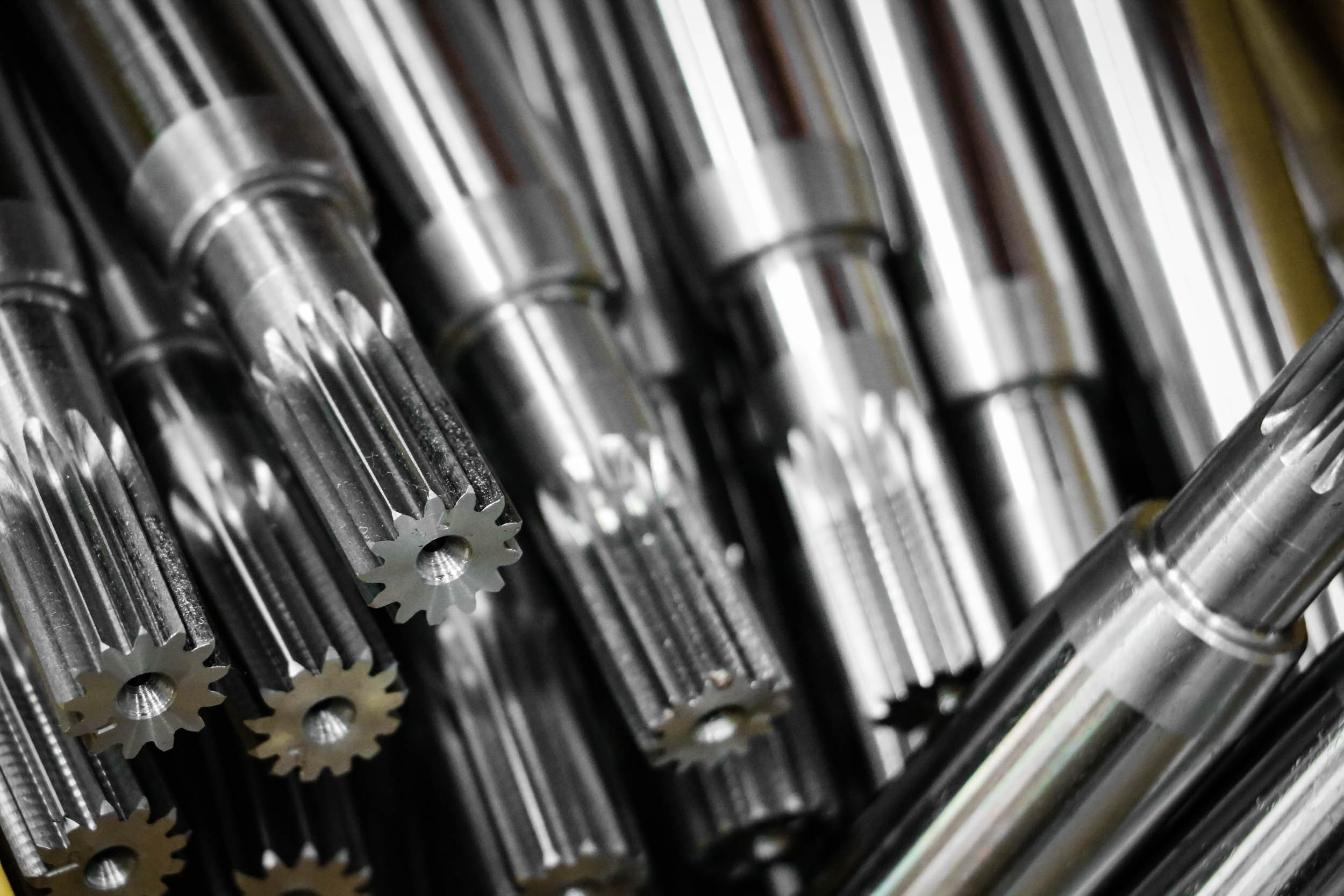
A spline is a shaft with a series of teeth cut along its length, matched to the same pattern of spaces on a mating shaft. Fit an external spline into an internal one, and you've got a connection that transfers rotation and force along a shared axis.
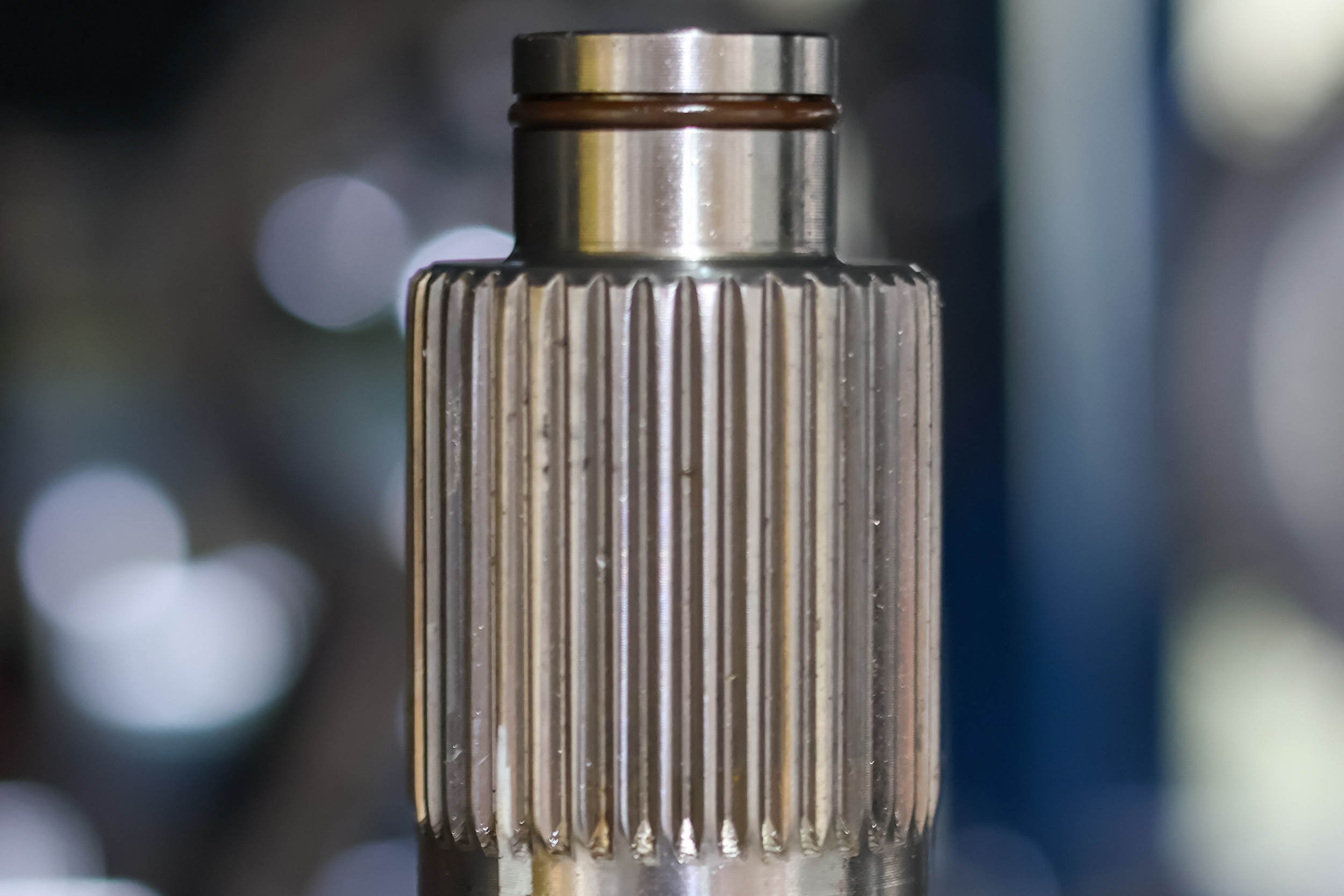
The teeth do more than lock the parts together. How much torque that connection carries and how it holds up under repeated engagement comes down to the tooth form and the fit between the two halves. That's why splines show up in more than one shape. The application dictates the geometry, and the geometry dictates how you cut it.
What's the best way to cut an external spline?
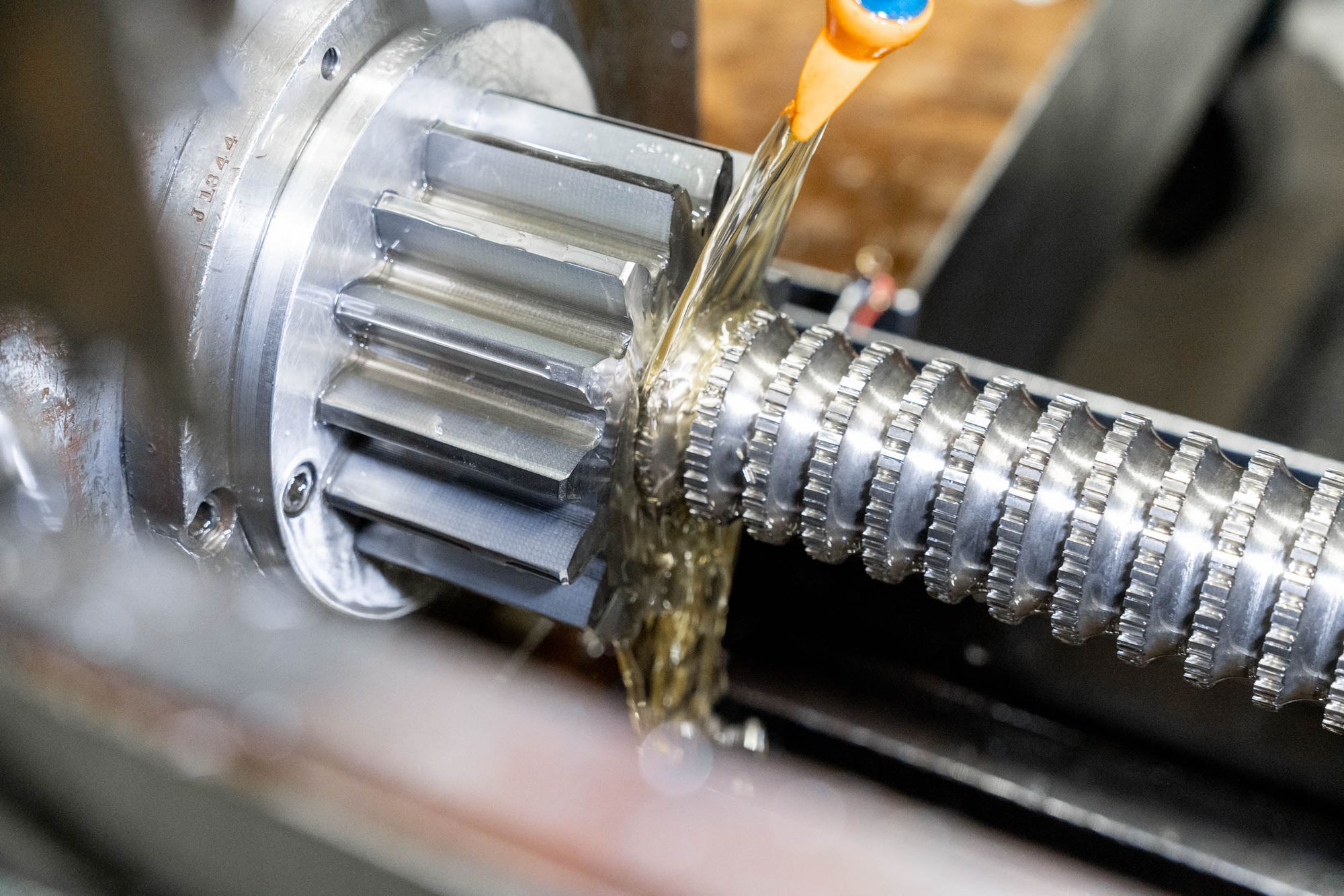
For most external splines, hobbing is the answer. A hob turns in sync with the rotating workpiece, and its gashes cut flats along the tooth profile, generating several teeth at once. It's productive and flexible enough to handle the volume most shops need.
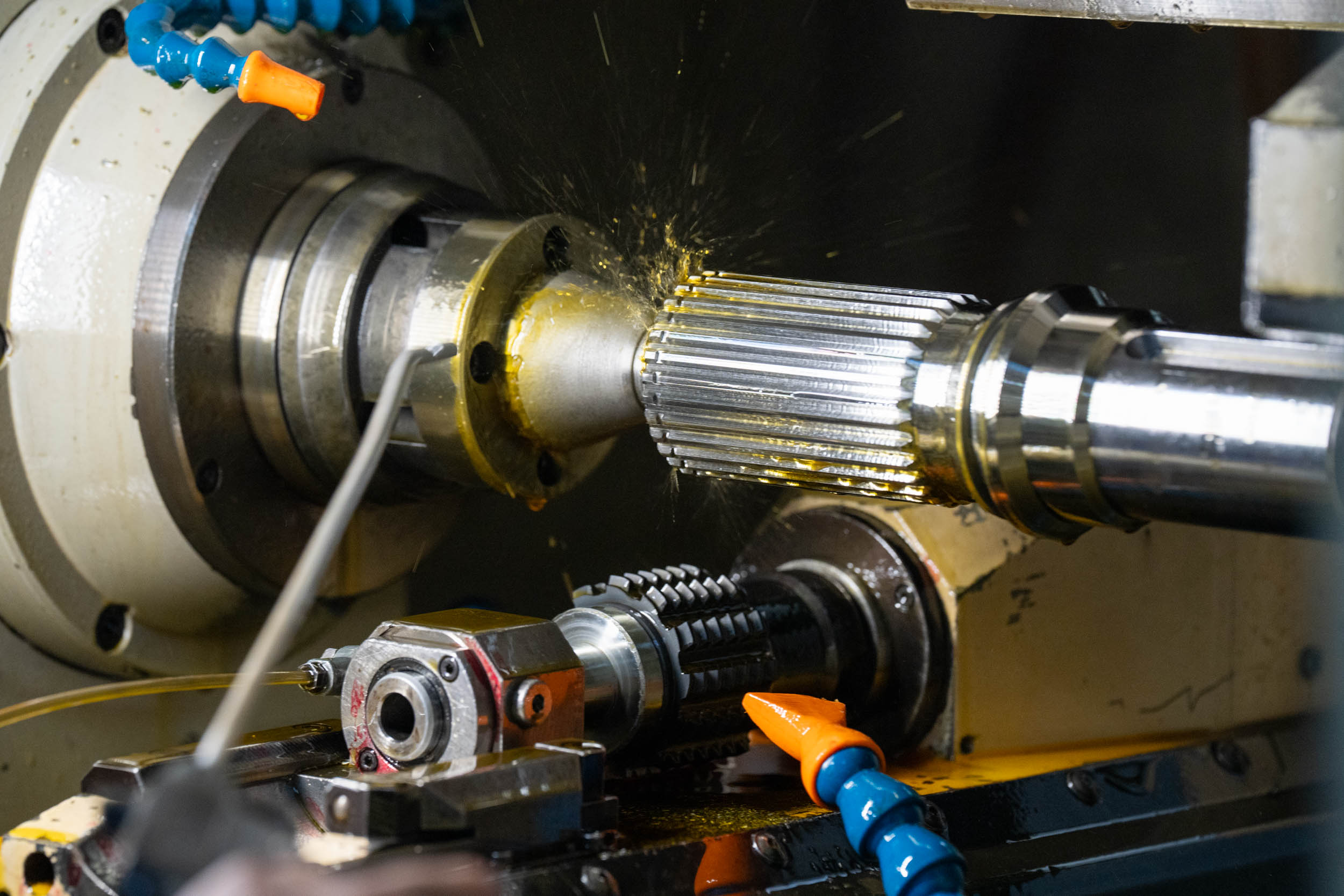
Hobbing does need room to work, though. If a part has a shoulder or a diameter change close to the spline, the hob may not have space to sweep out clear of the part, and that's when shaping takes over. Shaping trades some productivity for the ability to work close to features a hob can't clear.
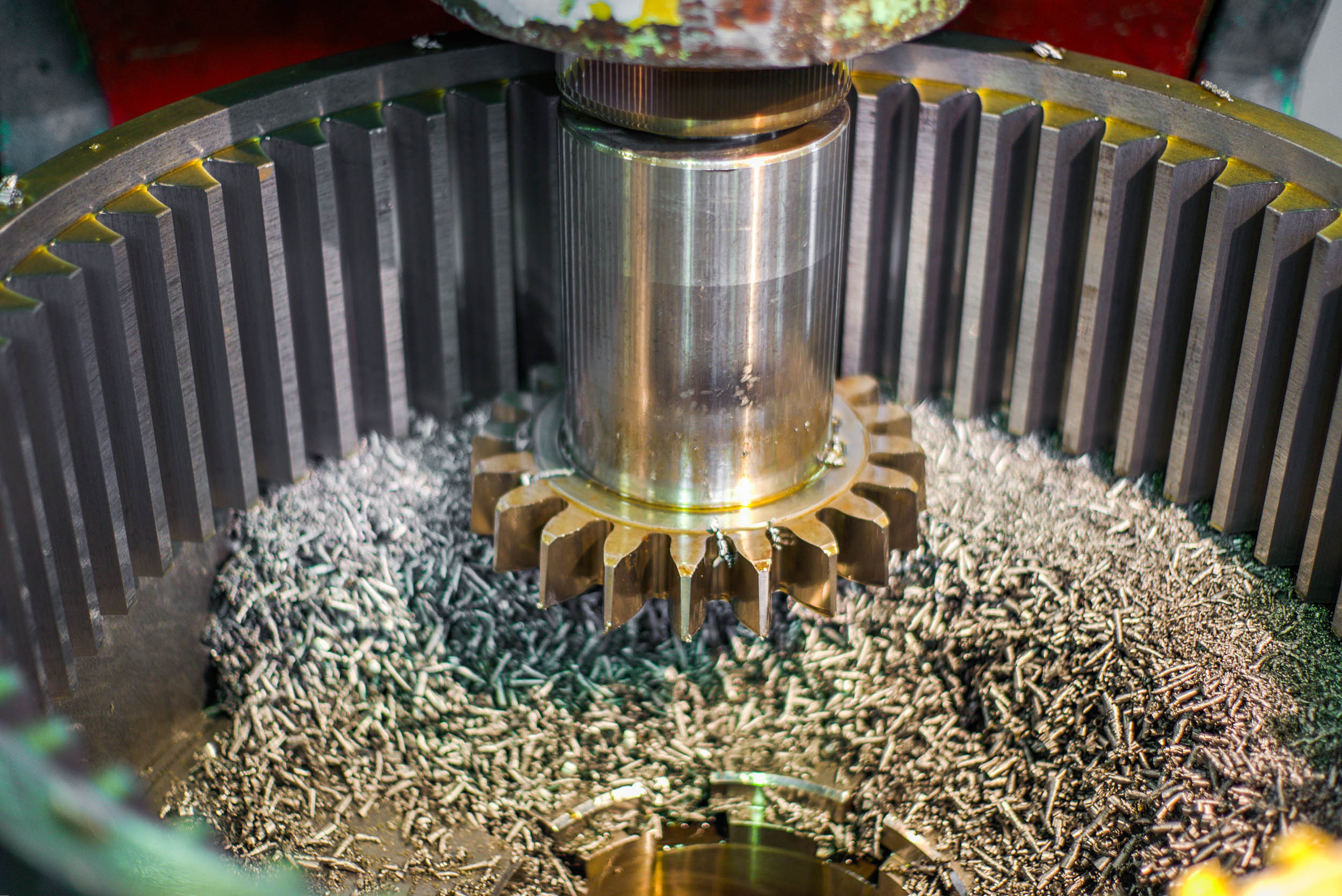
Form-milling is the least common of the group today, but it still has a place. A milling cutter machined to the exact conjugate shape of the tooth space cuts one space at a time, indexing around the part until the full profile is complete. It's slower, but for the right low-volume or specialty job, it holds the geometry to spec.
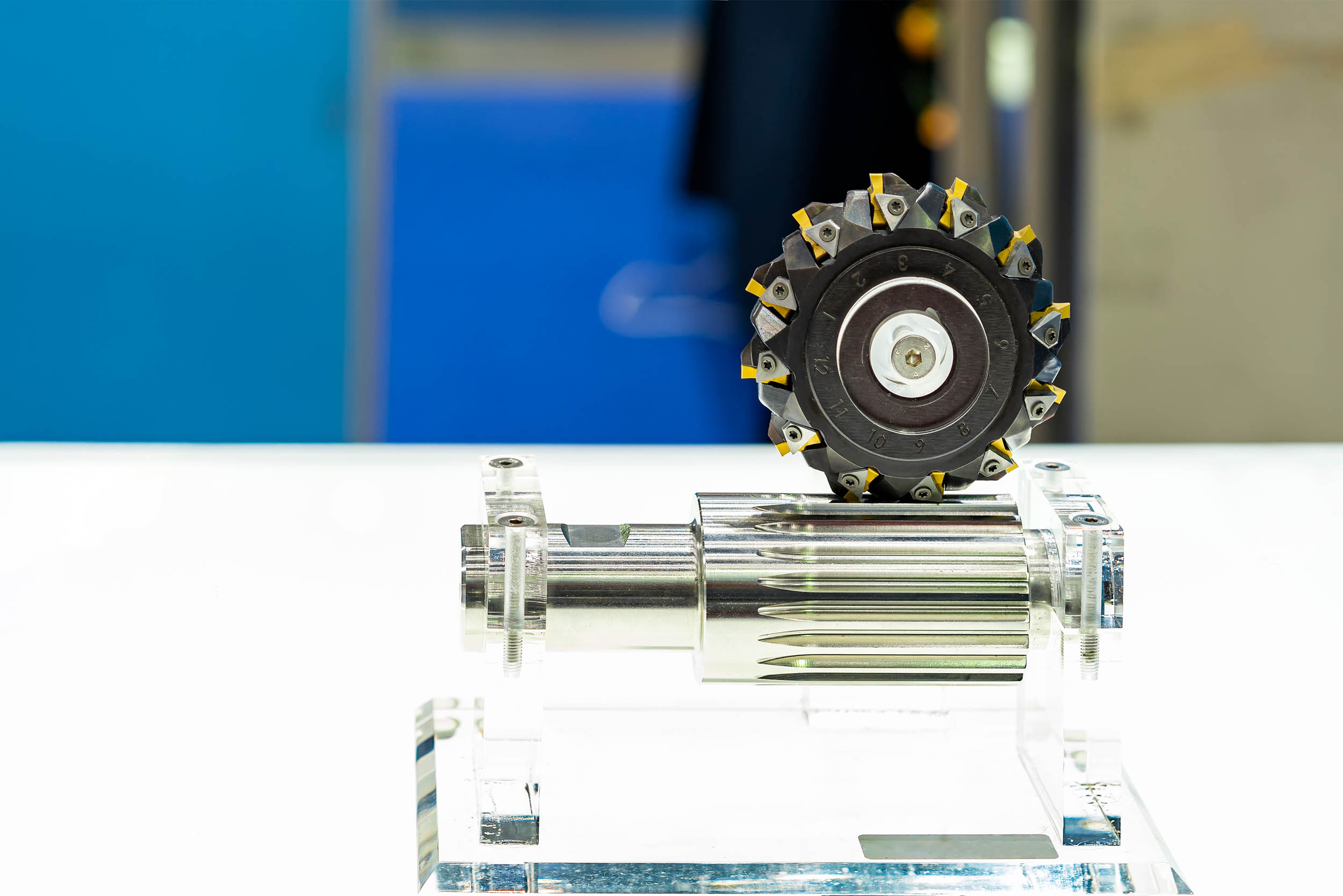
Power skiving is the newer option in the mix. Where hobbing or shaping run into productivity limits, power skiving offers a level up, often with shorter cycle times at the expense of front-loaded engineering costs. As such, power skiving typically solves high-volume workloads.
One more thing worth knowing before you settle on a method: not every spline uses the same tooth form. Parallel straight-sided splines still turn up in the field, especially on older equipment, but involute splines with a defined pressure angle and fit have become the standard for new designs. More on that shortly.
What about internal splines?
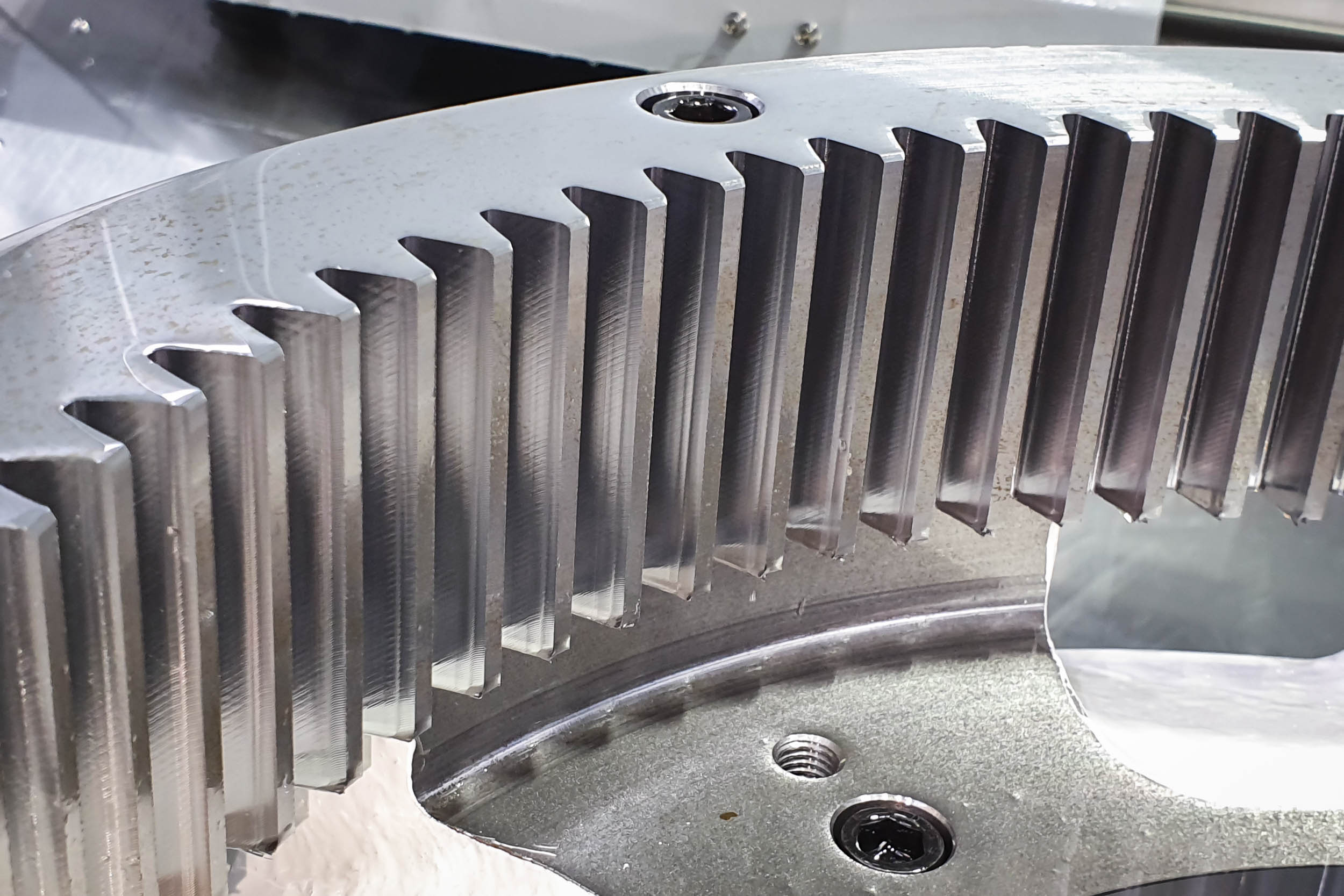
Internal splines are produced with the same methods used for internal gear production. Shaping, form-milling, and power skiving all apply here too.
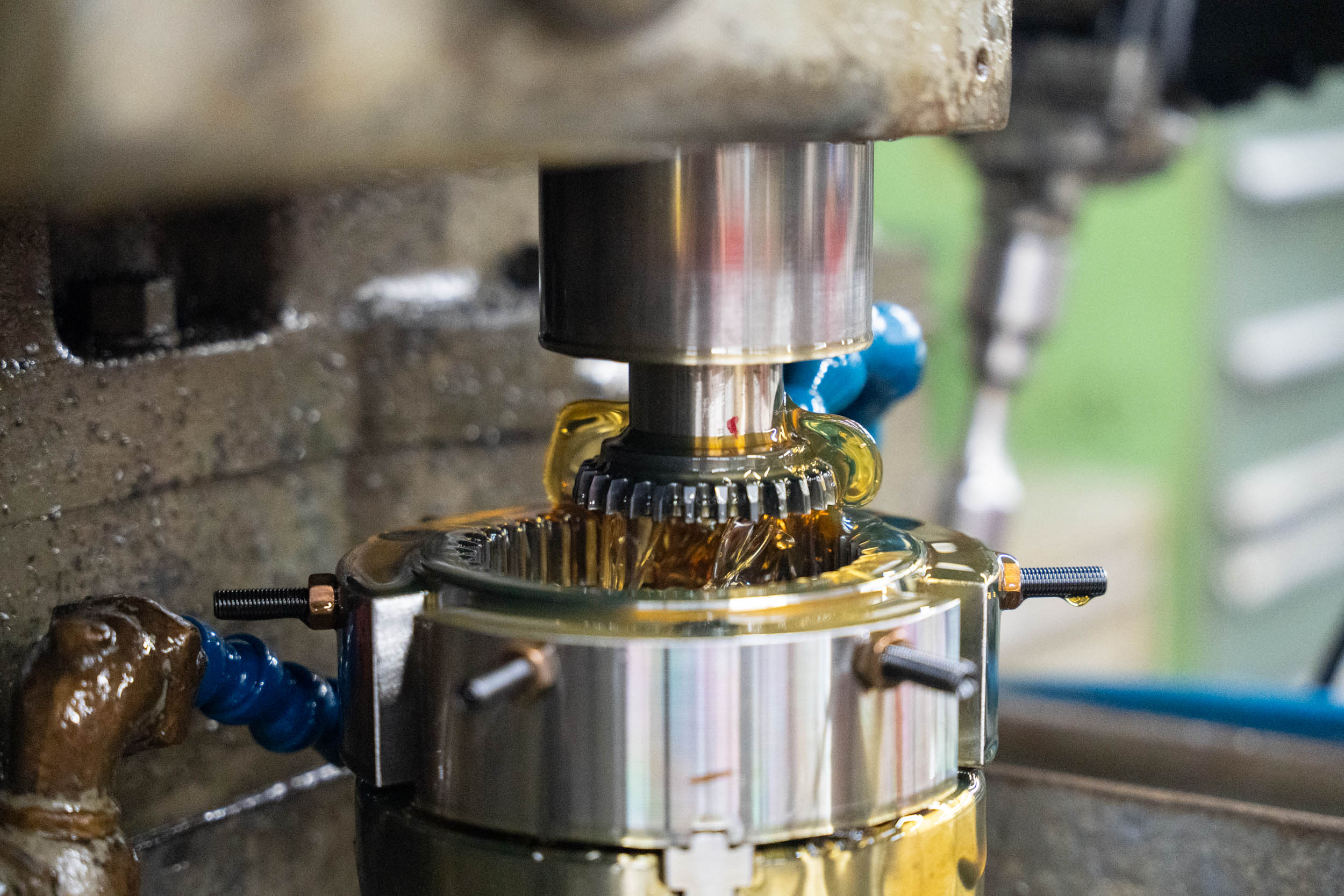
What's different is the addition of broaching. Because splines are straight-toothed, they broach well, and broaching is often the most efficient, effective choice once volume gets high enough to justify the tooling.

Comparison: spline cutting methods at a glance
| Method | External Splines | Internal Splines | Best Use Case |
|---|---|---|---|
| Hobbing | Yes | No | Default choice for external splines; best balance of productivity and flexibility |
| Shaping | Yes | Yes | Hob sweepout clearance is insufficient, or part features (shoulders, diameter changes) block the hob |
| Form-Milling | Yes | Yes | Single-tooth-space indexing for specific part geometry |
| Power Skiving | Yes | Yes | Modern alternative where high volumes justify engineering costs |
| Broaching | No | Yes | High-volume production of straight-tooth (parallel straight sided) splines |
Involute vs. parallel straight-sided: which standard applies?
Involute splines are the standard for new spline designs. Parallel straight-sided splines mostly show up on legacy parts and older equipment still in service.
Involute splines are typically designated by two pitches, such as 16/32 DP or 24/48 DP. The first number describes tooth width, the second describes tooth height, and a spline tooth is wider than it is tall, commonly about twice as wide. The most common pressure angle across involute splines is 30°.
If you're working from a print with a diametral pitch spec, here are the standard North American pitches you'll run into:
1/2, 2.5/5, 3/6, 4/8, 5/10, 6/12, 8/16, 10/20, 12/24, 16/32, 20/40, 24/48, 48/96
Involute
The flank is a curve, mathematically consistent along its full length, which is what makes the fit predictable under load.
Parallel Straight Sided
The flank is a flat plane, no curve to fall back on, so fit has to be controlled by measuring tooth dimensions directly.
Unrolled tooth profile, flank highlighted (dashed marker). The curve (or lack of one) is the entire distinction between the two standards.
Parallel straight-sided splines are non-involute spline teeth that require dedicated cutting tools. There are various types of spline fits, including major diameter, minor diameter, and side-fit. If a part requires clearance in the root of the tooth where the side and minor diameters meet, a lug-toothed hob can be used to generate undercut. The lugs remove fillet interference so the side of the cut stays straight beyond the minor diameter. Full-fillet designs, without that root clearance, are simply a matter of part requirements rather than an older or newer approach.
Major diameter fit vs. side fit: what's the difference?
A major diameter fit bears on the tooth tips. A side fit bears on the tooth flanks and self-centers.
An involute spline's fit comes down to where the mating teeth actually bear against each other, and that's controlled by how deep the hobbing cut goes.
In a major diameter fit, the bearing surface is the major diameter itself, set by varying that diameter on the external teeth. In a side fit, the bearing surface is the sides of the teeth, set by varying tooth thickness instead.
Side fits carry a practical advantage: they're self-centering, which helps equalize stress across all the teeth in the joint rather than concentrating it in one spot.
Flat-root vs. fillet-root: does it matter which one?
Yes. It changes how the mating teeth clear each other at the tip.
Side-fit involute splines come in two root forms. A flat-root form uses a ramp on the hob tooth profile to generate a chamfer, giving clearance at the major diameter where the external and internal teeth meet. A fillet-root form skips the chamfer. A smooth radius on the hob avoids creating a hard edge at the tooth tip instead.
Flat-Root
A ramp on the hob generates a chamfer, giving clearance at the major diameter where mating teeth meet.
Fillet-Root
A smooth radius on the hob skips the chamfer, avoiding a hard edge in the root instead.
Same tooth, different root treatment (dashed marker on the highlighted root). Both are side-fit involute splines, the choice comes down to the mating part and clearance needs.
Which one a job needs depends on the mating part and the assembly's clearance requirements. Check the print, or ask your applications engineer, before you cut.
Spline Cutting, Defined
Four terms worth knowing before your next print review.
Spline
A shaft with a series of teeth that mate with a corresponding shaft to transfer rotation and force along a shared axis.
Involute spline
A spline with a curved involute tooth profile, the standard for current spline designs.
Pressure angle
The angle of the tooth profile relative to the pitch line. 30° is the most common for splines.
Diametral pitch (DP)
A measure of tooth size. Splines use two DP numbers together, one for tooth width and one for tooth height.
Where Helios fits in
Picking the right method is half the job. Having the machines and tooling to execute it is the other half.
For hobbing, the MZ and Hera machine series cover a wide range of part sizes, from the compact Hera 30 up through the Hera 500 and larger. For shaping, the M673 handles applications where hobbing can't get the clearance it needs. For power skiving, the NEOPS 100, NEOPS 200, and NEOPS 400 cover a range of part sizes and production volumes.
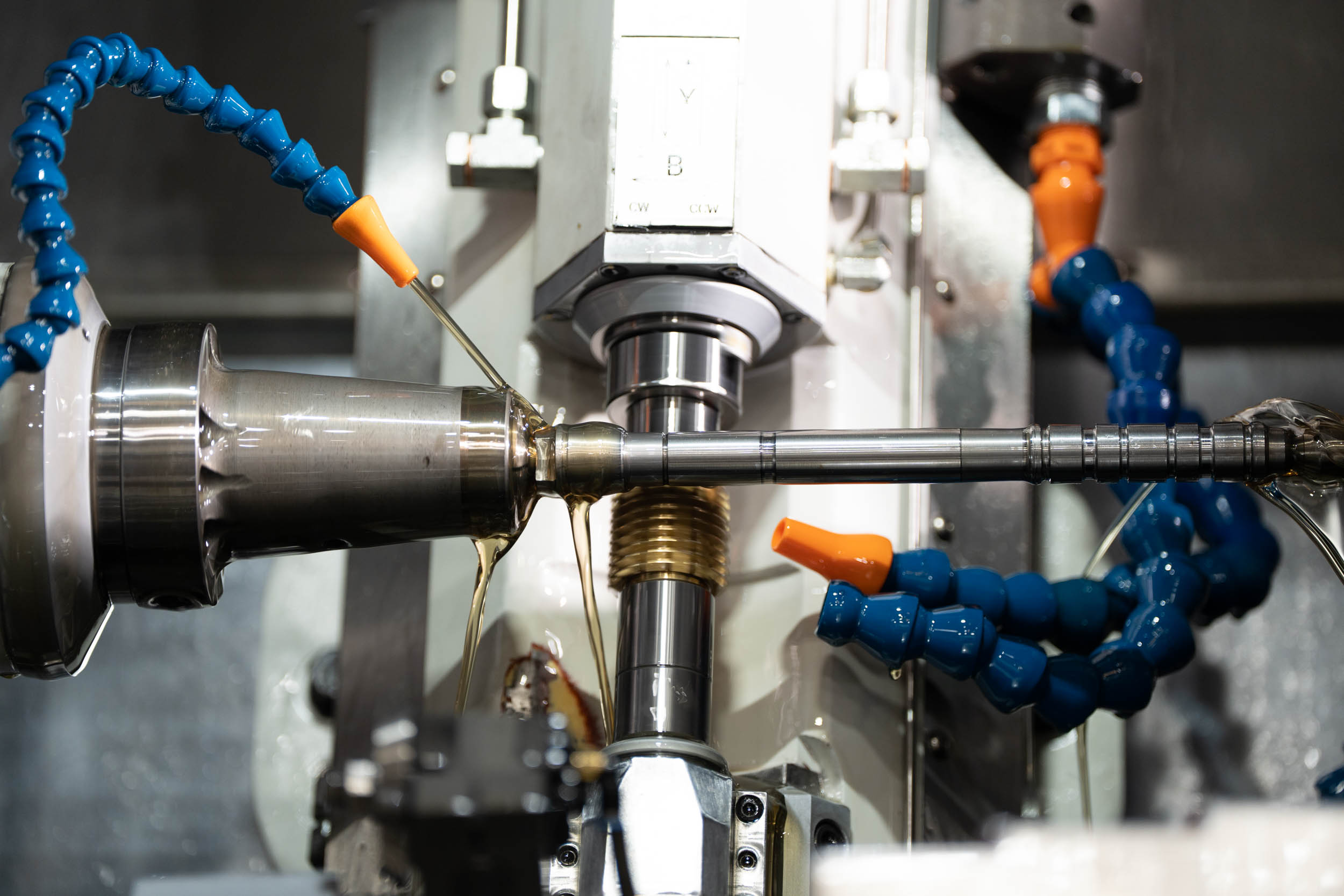
On the tooling side, we build hobs for both involute and parallel straight-sided spline profiles, including lug-toothed hobs for minor-diameter bearing applications. Broaches and shaper cutters round out the lineup for internal splines and shaped external applications.
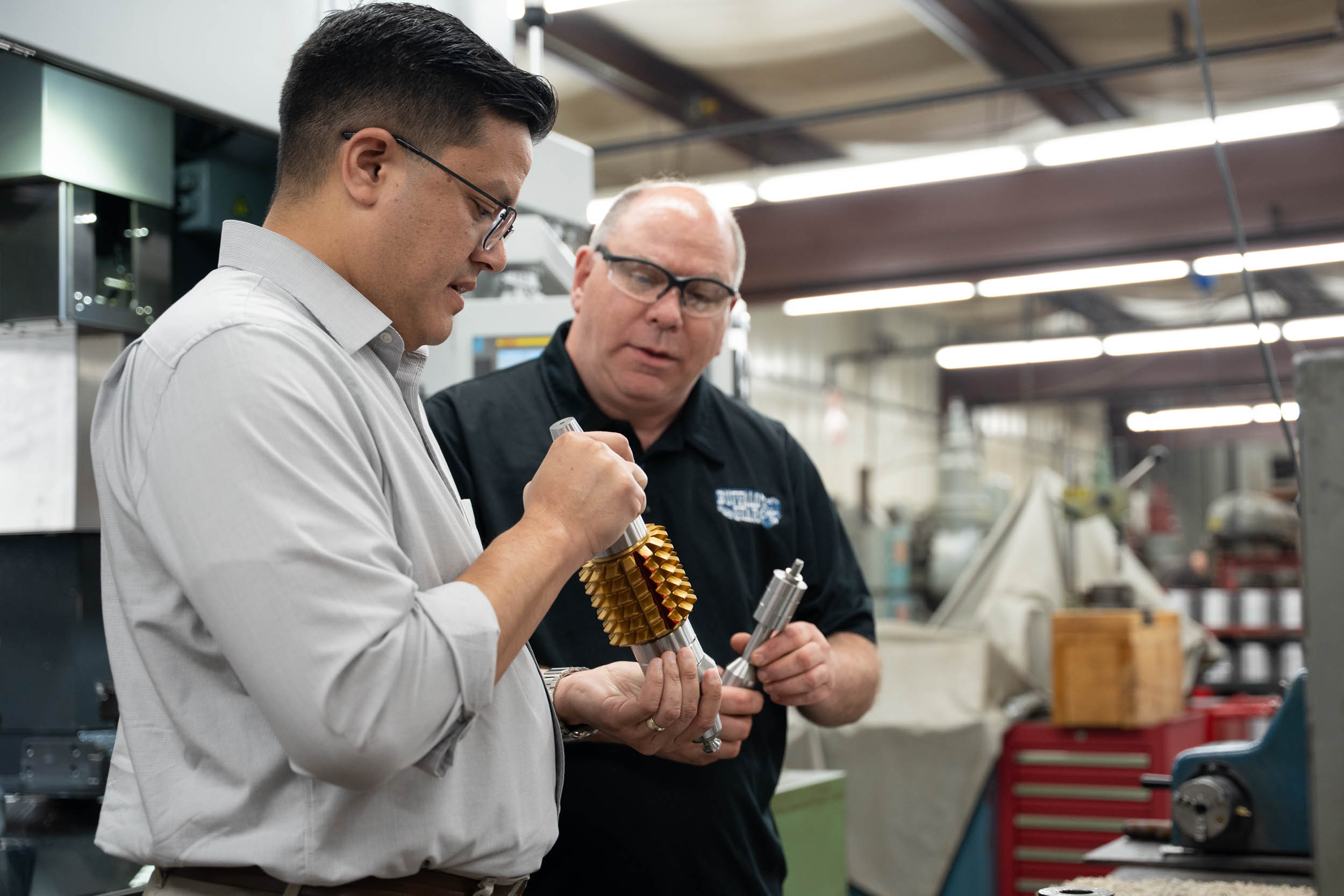
The right recommendation matters just as much as the machine. Our applications engineers work through your spline geometry, production volume, and quality requirements with you, then help you land on the method and tooling that fits the job. They stay involved from the first part through full production.
FAQ
What is a spline used for?
A spline transfers rotation and torque between two shafts along a shared axis, without needing a keyway. You'll find them in transmissions, driveshafts, and any assembly where two rotating parts need a secure, aligned connection.
What's the difference between hobbing and shaping a spline?
Hobbing generates several teeth at once as the hob and workpiece rotate together. That makes it faster and more productive for most external splines. Shaping is slower but works for internal teeth and in tighter spaces, so it takes over when a shoulder or diameter change leaves the hob nowhere to sweep out.
Can internal splines be broached?
Yes. Because splines are straight-toothed, they broach well, and broaching is often the most efficient method for high-volume internal spline production.
What pressure angle do most splines use?
30° is the most common pressure angle for involute splines.
What's the difference between a major diameter fit and a side fit?
A major diameter fit bears on the tooth tips, and the external diameter sets it. A side fit bears on the tooth flanks, self-centers, and tooth thickness sets it instead.
Are parallel straight-sided splines still used today?
They still turn up on legacy parts and older equipment, but involute splines with a defined pressure angle and fit are the standard for new designs.
What is a lug-toothed hob used for?
Lug-toothed hobs remove fillet interference on minor diameter bearing splines, keeping the side of the cut straight where it matters most.


